
Guilt has a favorite hour, and it is 2 a.m. That is when it replays the sharp tone you used at dinner, the call you forgot to return, the thing you said that landed wrong. In daylight you can reason with it. At night it runs the highlight reel on a loop.
Here is what guilt rarely gets credit for: it only visits people who care about doing right. The feeling itself is evidence of a working conscience. The question is never whether you should feel it. The question is what it is asking you to do. Here are six possibilities.
1. Your values are alive and working
Guilt shows up when your actions clash with your values. That clash hurts, but the fact that you notice it means your inner compass is pointed true. You lose sleep because who you are matters to you. That is something to honor, even through the discomfort.
2. There is a repair waiting to be made
A few years ago I snapped at an old friend over something small, a late reply to a message, and I knew immediately I had been unfair. For weeks I carried it around, replaying my tone, drafting apologies in my head and deleting them. When I finally called her, the whole thing took four minutes. She had barely remembered it. I had been carrying a boulder she had already set down. Guilt that will not quiet down is often just an apology waiting for an address. Make the repair, and notice how light your chest feels after.
3. You have learned the lesson already
There is a difference between guilt that teaches and guilt that punishes. The first one points at a repair. The second one just replays the scene with no way forward. If you already know what you would do differently, the lesson is learned. The extra laps around the memory only make you tired. Give yourself permission to close the file.
4. This guilt might not be yours to carry
Sometimes we absorb guilt that belongs to someone else's expectations. You feel bad for resting, for saying no, for not being endlessly available. Ask gently: did I actually do something wrong, or did I simply disappoint an expectation I never agreed to? There is a world of difference, and your conscience knows it.
5. That boundary you set was healthy
Guilt loves to follow a good boundary like a shadow. You said no, you asked for space, you chose yourself for once, and now the guilt is here to suggest you were selfish. A boundary that protects your wellbeing is an act of care. Let the guilt visit, thank it for its concern, and hold the line anyway.
6. Noticing means you are growing
Every time guilt nudges you toward repair instead of rumination, you are becoming someone steadier. Growth looks like a shortening gap between the mistake and the mend. You are closing that gap. That counts for more than you know.
Try this: the Answer Guilt with Accountability Pathway
If guilt keeps replaying your past on a loop, the Lantern Project has a page for that: Answer Guilt with Accountability. It helps you separate useful responsibility from endless punishment and choose a repair you can honestly make. Think of it as the off ramp from the 2 a.m. highlight reel, toward something you can actually do in daylight.
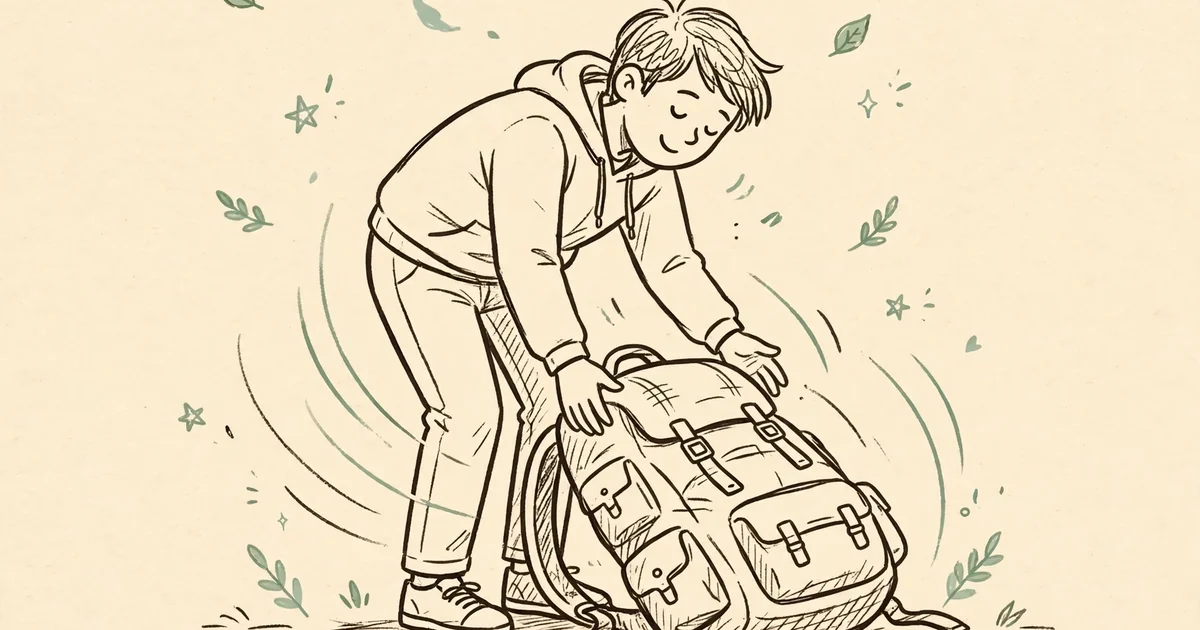
You do not have to carry the heavy pack forever. Set it down, make the repair, and keep walking lighter. Come sit with the Lantern Project a while. Bring the hard feelings. They are welcome here.